
Cam affiliation looks very little like promoting a one-off sale. You don’t get paid for a single purchase and move on: the user you refer can keep spending for months, and that behavior completely changes how the money is split and which program suits you. Understanding how the business works before you send traffic is what separates the people who build steady income from the ones who quit right as the model was about to pay off.
This guide explains how a cam site makes money, why lifetime revenue share fits this vertical so well, what to check when evaluating a program, which traffic converts, and the mistakes that cost the most. It names no sites and no specific programs: these are criteria you can apply to any of them.
How a cam site makes money
To know how you get paid, you first have to see where the money comes from. A cam site doesn’t sell a finished product: it sells access to live interaction, usually through a system of credits, coins, or tokens that the user buys and spends on shows, tips, privates, and content.
Recurring spend, not a single sale
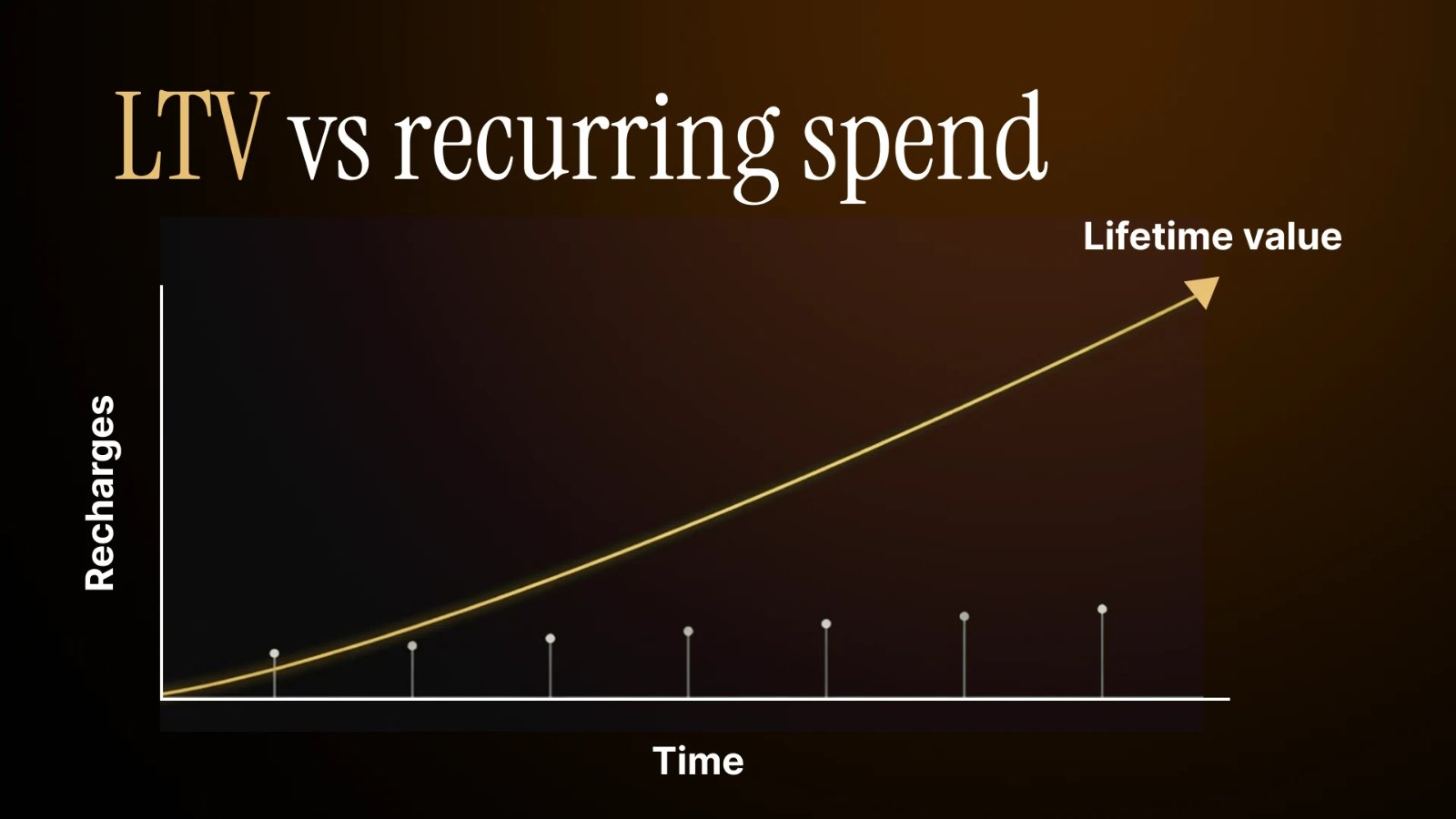
The key difference with other verticals is that the user doesn’t pay once and vanish. They buy a package of credits, spend it, come back, and top up. A hooked user can reload several times a month over a long stretch. That pattern of repeat spending is the engine of the business, and the reason a cam site can afford to share a generous percentage with you: it knows a good user isn’t worth one purchase, but many.
Lifetime value (LTV)
LTV is the total a user spends from signup until they stop buying. In cams it tends to be high because the spend is spread across many payments over time. A user who tops up modestly but steadily for a year can be worth far more than one who makes a single big purchase and never returns. As an affiliate, your income depends directly on that LTV when you’re paid on revenue share: you don’t monetize the click, you monetize the user’s whole relationship with the platform.
Why lifetime revshare fits cams
With recurring spend and a high LTV, the model that best captures the real value is lifetime revenue share: you earn a percentage of everything your referred user spends, with no expiry, for as long as they stay active. A one-off payment per signup gives you immediate liquidity, but it disconnects you from everything that user spends afterwards, which in cams is exactly where most of the money is.
The example below is illustrative, with round numbers to reason through the concept, not data from any program:

- What you earn. One-off: a fixed amount on signup or first purchase. Lifetime revshare: a percentage of every top-up, always.
- User who spends little and leaves. One-off: works for you, you earn the same. Lifetime revshare: you earn little, in line with their spend.
- User who reloads for months. One-off: you don’t share in that spend. Lifetime revshare: you keep earning month after month.
- Income flow. One-off: a single, flat spike. Lifetime revshare: recurring and cumulative.
The practical takeaway: if your traffic sends users who stick around and spend steadily, lifetime revshare ends up paying more than a one-off payment, because it follows the user through their whole life on the platform instead of only charging for the entry.
What to look for in a cam program
Not all programs are built the same, even if they all promise the same thing. These are the points that actually move your income:
- Revenue share and its duration: this comes first. Lifetime revshare captures the LTV; one that expires after a few months cuts you off just as the user starts spending seriously. Read whether there’s an expiry and what it is.
- Attribution and cookie: in cams the value arrives over time, so the attribution window matters more than in an instant-purchase vertical. Check the cookie length and what happens if the user returns via another device or channel.
- Payment terms: frequency, payout minimum, and methods available in your country. Getting paid often with a reasonable minimum lets you reinvest sooner; a high threshold with slow payments chokes growth.
- Geos and languages: a cam site strong in your countries and in your audience’s language converts far better. A user who finds models and content in their own language signs up and spends more than in front of a generic English platform.
- Cam-specific creatives: cams have their own material that other verticals don’t need: widgets with live streams, feeds of online models, embedded chat, dynamic previews. Good cam-specific material lifts conversion without you producing anything.
- Support and reliability: an accessible manager, a dashboard that separates signups, first purchases, and top-ups by source, and a clean payment history. In a recurring model, long-term reliability matters more than any welcome bonus.
Traffic types that convert in cams
The traffic that performs best in cams is the kind that lets you build trust and repeat contact, because the business rewards retention. Not all of it is worth the same:
- SEO and niche blogs: high intent and users who return over time. Fits lifetime RevShare.
- Communities and forums: peer trust and recommendation, traffic that matures. Fits lifetime RevShare.
- Messaging and groups: repeat contact and a loyal audience. Fits lifetime RevShare.
- Social media and creators: an ongoing relationship with the audience. Fits RevShare, sometimes hybrid.
- Display and mass pop: high volume but low retention. Fits hybrid or pay per action.
The logic is simple: the more recurring your contact with your audience, the better lifetime revshare fits, because your traffic tends to send users who are recurring too.
Common mistakes
The errors that cost the most income in cams repeat, and nearly all of them come from treating this vertical like a one-off sale:
- Quitting in the first weeks. Lifetime revshare pays through accumulation: the first users haven’t reloaded several times yet when many people already give up.
- Choosing the one-off payment for convenience when your traffic sends users who stick around. You get paid fast and hand away all the future spend.
- Ignoring geo and language. Sending Spanish-speaking traffic to an offer built for another market sinks conversion even when the percentage is high.
- Not checking the revshare expiry or the attribution window, and losing the top-ups that arrive weeks later.
- Not breaking out performance by source. Without per-channel data you can’t tell which traffic sends high-LTV users and which sends only browsers.
- Diluting traffic across too many offers and optimizing none of them.
FAQ
Why do cams pay lifetime revshare instead of just a one-off payment?
Because the user spends on a recurring basis. It’s in the platform’s interest to reward whoever brings users who stay, and in yours to earn from all that spend, not just the entry. The model aligns both sides around retention.
How long does revshare take to pay off in cams?
It depends on your traffic, but it’s usually gradual. The first users start reloading and income accumulates month by month. It’s a compounding model, not an immediate spike, which is why you shouldn’t judge it in the first weeks.
Which traffic works best for cams?
The kind that allows repeat contact and trust: niche SEO, communities, messaging, and creators with a loyal audience. That traffic tends to send recurring users, who are what make lifetime revshare profitable.
What if my traffic is high-volume and one-touch?
A hybrid or pay-per-action model that pays sooner may fit better. Even so, if the cam site retains well, part of that volume can keep generating top-ups; measure it by source before deciding.
What should I check first in a cam program?
The revshare duration and the attribution. In a vertical where value arrives over time, a short cookie or an expiring revshare cuts you off exactly where the money is.
Conclusion
Cam affiliation rewards whoever understands that the value is in the relationship, not the click. The user spends on a recurring basis, their LTV is high, and that’s why lifetime revenue share tends to be the model that captures the most of that value. Before you send traffic, review the revshare duration, the attribution, the payment terms, and the geo and language fit, and give the model time to accumulate rather than judging it in the first fortnight.
An example of those terms applied to a cam site: Amateur Cash, the official program of Amateur.tv (focused on real amateur content), pays 20% lifetime revshare, with payments twice a month and a $100 minimum. It fits well when your traffic is amateur, Spanish-speaking, or from Southern Europe and you want recurring income tied to the user’s real spend. You can review the terms at amateur.cash/en or reach out on Telegram at @amateurtvcash.