
Two operators can run the same technology and sell the same content, yet one earns a commission and the other owns a business. The difference is the white label. It is a ready-built product —a cam platform, a tube or a content site— that a provider lets you publish under your own brand. You supply the name, the domain and the customer-facing side; the provider supplies the technology, the catalogue and, in most cases, payment processing and technical support. To the visitor, the site is yours. Underneath, it runs on infrastructure shared with other operators.
The real question is rarely what a white label is. It is whether launching one beats staying an affiliate. That comes down to three things: how much traffic you move, how much control you want over the brand, and how much operational work you are willing to carry. What follows is the honest comparison, the requirements, and the signals that tell you it is time —or that it is not yet.
What a white label actually is
The provider licenses a turnkey product and lets you customise the part the user sees: name, logo, colours, domain and, in some cases, pricing and promotions. The technology underneath —streaming, content database, user dashboard, billing— is maintained by the provider and shared across several brands at once. You run the storefront; they run the machine.
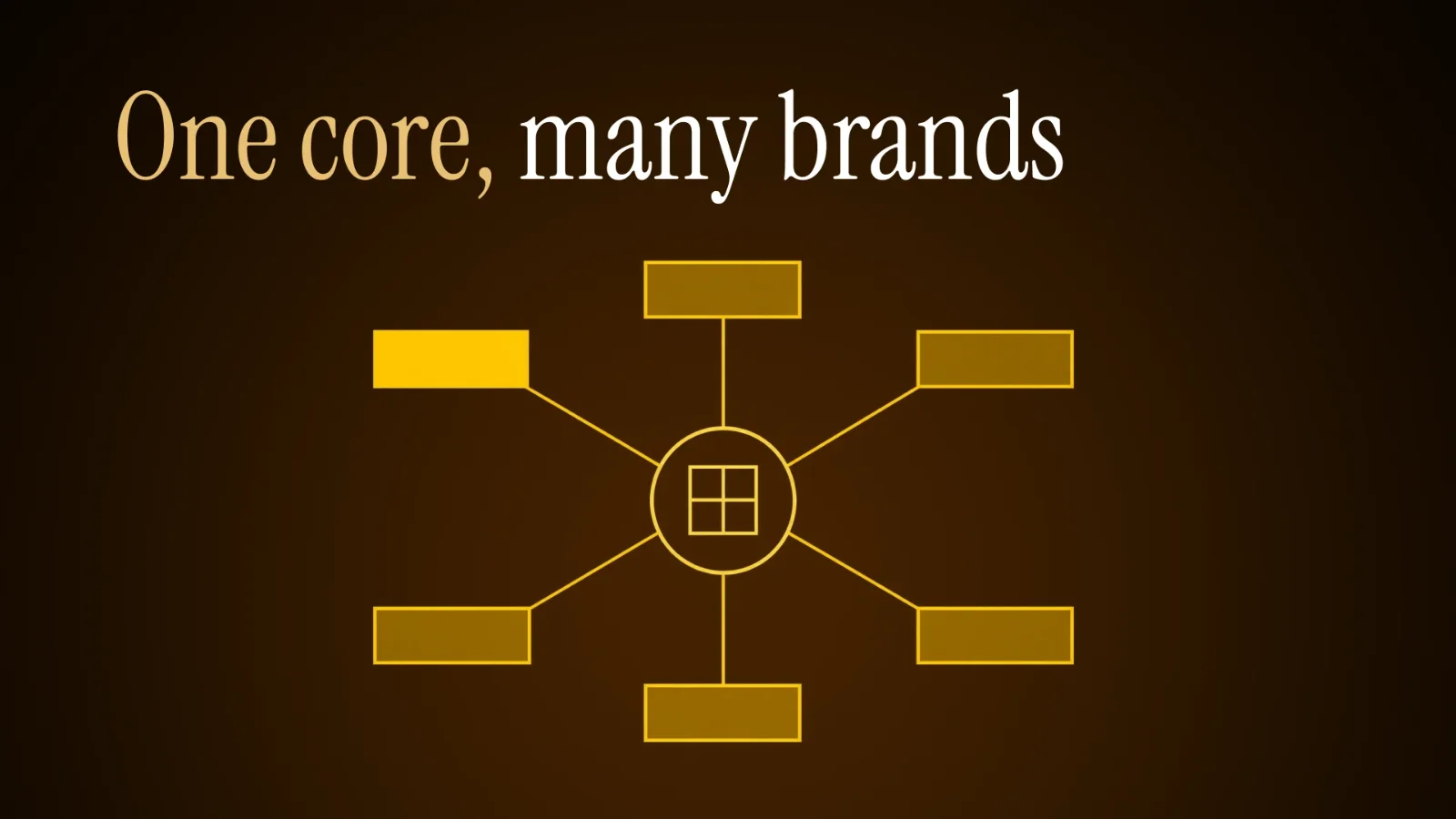
The commercial deal is usually a revenue split: the provider keeps a percentage for supplying the infrastructure and you keep the rest for acquiring and retaining the customer. Unlike affiliation, the user never leaves your brand here: they sign up on your site, pay on your site and come back to your site.
White label versus affiliate: the real difference
As an affiliate you send traffic to someone else’s brand and earn a commission for each user you register or for what they spend. You do not touch the platform, you do not handle billing or support, and you carry no operational risk: your only job is to bring traffic that converts. With a white label the logic flips. The brand is yours, the customer relationship is yours and the share you keep is larger, but in exchange you carry the operation: support, payment issues, retention and the responsibility of keeping the site running.
- Brand: as an affiliate you promote the provider’s; with a white label the brand is yours.
- Customer relationship: in affiliation it belongs to the provider; in a white label, to you.
- Revenue: a commission (revshare or CPA) versus a larger share of the total.
- Upfront investment: almost none as an affiliate; moderate with your own brand, between domain, branding and time.
- Operational load: minimal versus high, because support and retention are on you.
- Customer data: as an affiliate you do not hold it; with a white label you control it.
- Risk: low in affiliation, higher when the brand is yours.
- Time to launch: immediate as an affiliate, weeks for a white label.
When launching your own brand pays off
A white label starts to make sense when the affiliate model gets too small for you, not before. These are the signals that it may pay off:
- You move steady traffic at volume, not the odd spike. Fixed operations only hold up on a stable flow.
- You already have a brand or an audience that trusts you, and you want to capitalise on that trust instead of handing the customer to a third party.
- You want to own the data: your user list, their habits, their contact. That is worth more long term than a one-off commission.
- You have hit a ceiling as an affiliate and want a larger margin on the same traffic.
- You can take on the operation or pay someone to run it.
And these are the signals that it is not yet time:
- Your traffic is low or irregular: the operation will eat the margin before volume can pay for it.
- You have no brand and no time to build one.
- You are testing a niche and do not yet know if it converts. For that, affiliation is cheaper and faster.
What you need to launch one
Traffic with volume and recurrence
This is the requirement that decides everything else. A white label lives on recurrence: users who come back and spend several times. Without a stable, sufficient flow, the fixed costs of running your own brand never amortise. Before you consider one, check whether your traffic already converts and repeats on an affiliate model; if it does not do that there, it will not do it under your brand either.
Brand and domain
You need a name, a domain, a visual identity and a clear reason why someone would choose your site. The brand is not the logo: it is the reason a user signs up with you and not with any other site running the same catalogue underneath. The more generic the offer, the harder it is to compete.
Support and operations
Because it is your brand, the questions, the complaints and the payment issues land on you. You need a support channel, reasonable response times and a process for refunds and access problems. You can lean on whatever the provider offers, but you are the visible face, and slow support sinks retention.
Payments and billing
It pays to be clear on what the provider handles. In most white labels, payment processing, billing and much of the compliance come from the infrastructure, which takes the heaviest admin off your plate. Even so, you need to understand how and when you get paid, what split applies, what happens with chargebacks and which legal obligations stay on your side: age verification, notices and the record-keeping the adult sector requires.
Pros and cons
In short, the trade is control and margin in exchange for work and risk. In favour:
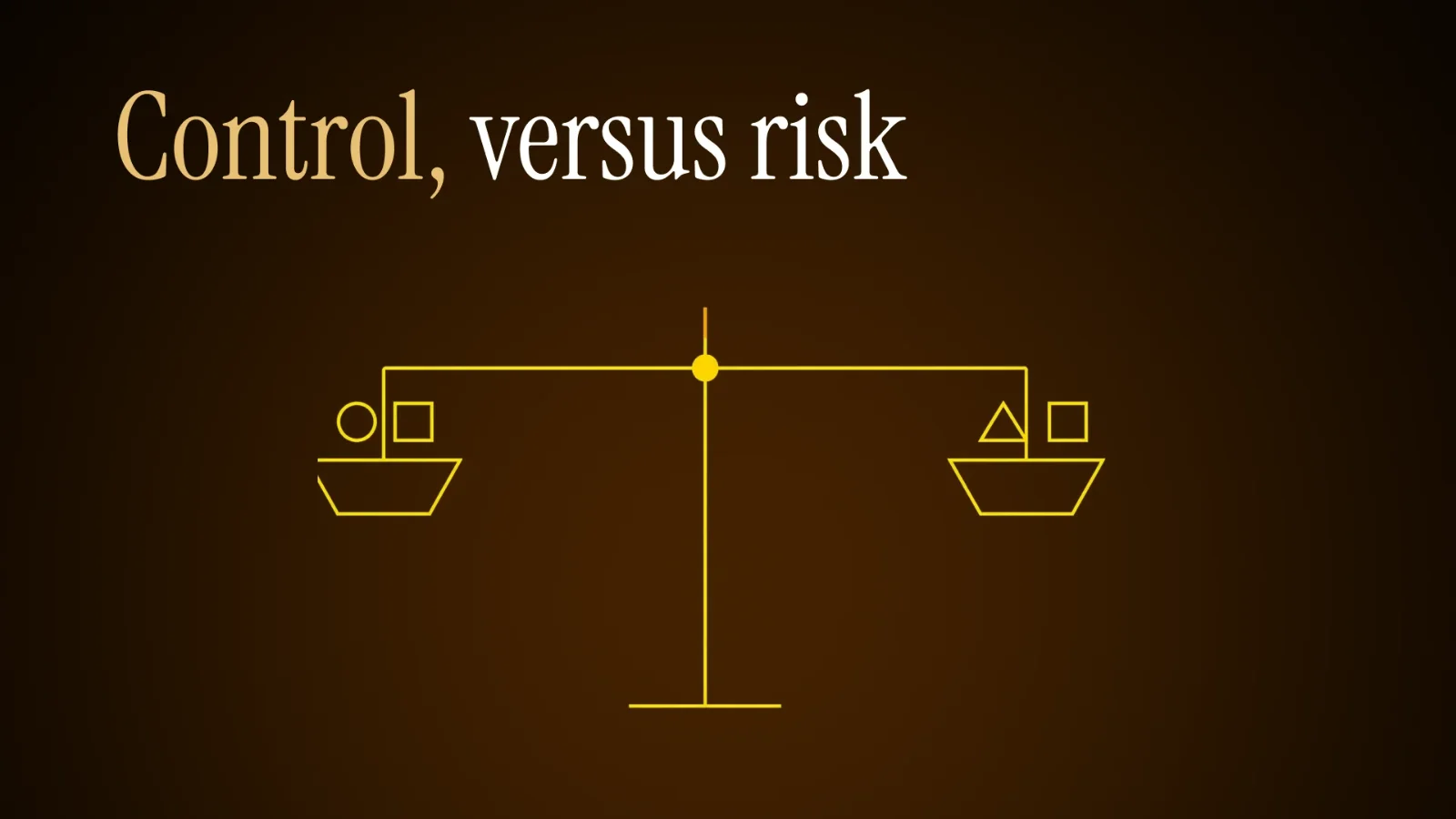
- A larger margin on every user you acquire.
- Your own brand and data: you build an asset, not just income.
- Control over the experience, pricing and promotions.
- Infrastructure and payments handled by the provider.
Against:
- Real operational load: support, retention and maintenance.
- You need volume to amortise the fixed costs.
- More legal and compliance responsibility on your side.
- You compete with other brands built on the same technical base.
How to decide
Before you sign anything, answer with data, not with hope:
- Does my traffic already convert and repeat as an affiliate? If the answer is no, a white label will not fix it.
- Do I have enough stable volume for the operation to pay for itself?
- Do I want to, and can I, take on support and retention, or pay someone to run it?
- Do I have a brand with a clear reason for users to choose me?
- Does the extra margin over affiliation justify the added work and risk?
If you hesitate on more than one, the signal is clear: keep growing as an affiliate and revisit this decision once the volume and the brand are there. Building the infrastructure before you have the traffic is the most expensive and most common mistake in the sector.
Frequently asked questions
Is a white label the same as a franchise?
They are alike in that you operate under a brand on someone else’s system, but they are not the same. In a white label the brand is yours, you create it; in a franchise you adopt a brand that already exists, along with its rules. A white label gives you more freedom over identity and, in return, more responsibility for it.
Do I need to know how to code?
No. The point of the model is that the technology is already built and the provider maintains it. Your job is brand, traffic and operations, not development. It helps to grasp the basics to configure the site, but coding is not required.
Can I be an affiliate and run a white label at the same time?
Yes, and it is in fact the norm. Many operators start as affiliates to validate niches and traffic sources at low risk, and launch a white label only where they already have proven volume. They are not mutually exclusive: they are two phases of the same path.
How much traffic does it take to be worth it?
There is no universal figure, because it depends on your niche, your conversion and your costs. The useful rule is not a number but a condition: recurring income should comfortably cover the fixed costs of running the brand and still leave more margin than you would earn on that same traffic as an affiliate. If it does not, it is not time yet.
Who owns the users I acquire?
In a white label, the customer relationship is yours: they sign up under your brand and you control the data within what the agreement and the law allow. It is one of the big differences from affiliation, where the user always belongs to the provider’s brand.
Before you dive into building your own platform, test the ground as an affiliate and keep what actually works. Reach out on Telegram @amateurtvcash and pick the model that suits you best from RevShare, PPL and PPS. We’re waiting for you at amateur.cash/en.